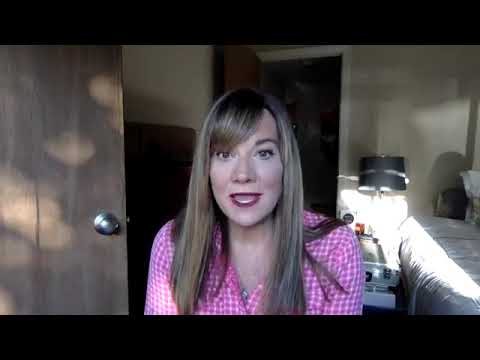
Please welcome editor Judy Beatty!!

Tonya asked me to write a blog on editing, and I’ve been
mulling around what I want to tell you over and over in my mind for days
now. I have finally zeroed in on some
things that I feel are important to the editor, and for the author.
In editing a manuscript, there can be a tendency to “want”
to forget that the author has his or her own voice, and change sentences into how we as editors would say it if
we had written it. This is where we can
make or break trust in the person we are editing for. It’s common to try and change sentences
around to our liking, but once the author’s voice is revealed, we must edit in
their way of thinking, and not ours. I
had one lovely author recently tell me that she sees my grammatically correct
sentences and says “Grammatically correct? What’s that?” Also, I edited a book for an author that had
characters speaking the worst English I have ever heard, but that is the way he
wanted it, and that is the way I had to learn to edit his book. Now I am highly aware and try to find the
pattern and rhythm in each authors
writing, and once I do that, I can easily edit without changing their voice.
Punctuation tends to be an issue in every manuscript I
edit. Commas are by far the most
overused punctuation on the planet.
Quotation marks inside or outside of the period/exclamation point/comma
are another issue. I find this rule
handy: If in Britain, put the quotes outside of the punctuation, and if in
America, put them inside. Since most of
us are in America, writing to Americans, then I try to keep what our readers
are used to seeing prevalent. If any of
you are writing to a British audience, please tell your editor so they can edit
accordingly (I say with tongue in cheek).
It helps, also, to have a wonderful daughter who teaches
high-school English for a living.
AHEM…YES, I do write her occasionally when I get stumped and ask for her
opinion, and thank God, she is so quick to help me.
I love working with already published writers, but am sad to
say that so many manuscripts are getting edited (even [especially] by major
publishing companies) and leaving so much to be desired; and you, the author,
have probably paid through-the-nose to have them edited, but they are still so
full of errors and have been published that way. Since I do a lot of re-editing for authors
who are already published, I feel deeply sorry for them and want to do
everything in my power to make their manuscripts as clean as possible. When I
read a book for fun, and it is full of errors, I tend to cringe and put it
down. Actually, that is how I got
started in editing. I read a series by a
well-known author, and found so many mistakes that I wrote her and asked if she
would like for me to fix them. She sent
me her manuscripts and I was on my way with a new career.
New writers are fun to edit, and a bit more time-consuming,
because they are just finding their voice and a good editor can help them find
it if he or she is willing to take the time to discuss issues with the
writer. It’s great fun to watch new
writers evolve, and see each new book come to life with more of “them” in it.
My final thought is, no matter if you are an already
published author, or if you are just starting out –edits will need to be done; sometimes
over and over again, until the manuscript is so squeaky clean you can see your
face in it. I do look forward to working
with many of you, and will continue to enjoy reading your works, and editing to
my heart’s content.